
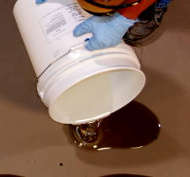
 Madewell® Permaseal Platinum is a heavy duty, moisture-tolerant epoxy coating product. The installed material resists permeation by water vapor and controls alkalinity to levels acceptable for most coatings, adhesives, and floor covering systems.
Product Details:
Madewell Permaseal Platinum (171 KB)
Recommended For:
Permaseal Platinum is designed for use on concrete floors in industrial and commercial construction.
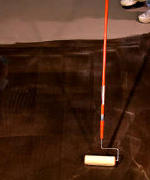 Advantages of Permaseal Platinum:
- Reduces moisture emission from 25 pounds per 1,000 square feet (or 100% relative humidity) to less than 3 pounds per 1,000 square feet overnight
- Eliminates issues associated with alkalinity
- Produces phenomenal adhesion strength
- May be installed as soon as three days after placement of the concrete

